
Best Small Sailboat for Beginners on a Budget (A Real-World Guide)
Ask five sailors what the best small sailboat for beginners is and you’ll get at least ten answers—usually passionately delivered, with hand waving.
But if you’re on a budget, the question isn’t really:
“What’s the best small sailboat ever made?”
It’s:
“What’s the best small sailboat for me —where I live, with my experience, storage options, and wallet?”
This guide walks you through how to choose the best small sailboat for beginners on a budget, with simple decision steps, key features to look for, what to avoid, and a few “boat types” that are almost always worth considering.
1. The truth: there’s no single “best” boat (but there is a best type for you)
Before you fall in love with any one design, answer a few questions honestly. They matter more than brand names:
-
Where will you sail?
-
Small lake or pond
-
Larger lake
-
Sheltered bay / estuary
-
Coastal waters
-
-
Who will be with you?
-
Mostly solo
-
You + one other adult
-
You + kids
-
Friends and mixed crew
-
-
How will you store and move the boat?
-
On a trailer at home
-
In a dinghy park / yard
-
On a mooring
-
At a marina
-
Roof rack / beach launch
-
-
What’s your realistic total budget?
Not just the purchase price—also:-
Trailer or storage
-
Insurance (if needed)
-
Basic maintenance and safety gear
-
Once you’ve answered these, you’ll start to see which type of small sailboat suits you best, even before you look at individual models.
2. Three classic “beginner on a budget” sailboat types
There are endless designs, but most budget-friendly beginner boats fall into three broad categories:
Type 1: Simple singlehanded dinghy
(Great for solo learners and very small budgets)
Think: small, light boats you can rig yourself and launch from a beach or ramp.
-
Typically 2–4m (8–13ft)
-
Designed to be sailed by one person (sometimes can carry a passenger)
-
Very simple rig (one sail, maybe with a small jib on some designs)
-
Often car-toppable or easily trailered
-
Perfect for lakes, ponds, and sheltered bays
Pros:
-
Cheapest entry point
-
Easy to tow & store
-
Great for learning core sailing skills quickly
-
Low maintenance, few systems to break
Cons:
-
Limited comfort and carrying capacity
-
You’ll get wet—this is “sports” sailing, not armchair cruising
-
Not ideal for young kids or non-sailor guests on day one
Best if you want to:
Learn to sail properly yourself, go out on short sessions, and keep costs rock-bottom.
Type 2: Two-person (or family) dinghy / daysailer
(Great for learning with others or sailing with kids)
These are slightly bigger, more stable dinghies or open dayboats:
-
Typically 4–5.5m (13–18ft)
-
Often have room for 2–4 people
-
May have a small foredeck, benches, and storage space
-
Simple mast and rig, sometimes with reefing options
-
Ideal for lakes and sheltered coastal sailing
Pros:
-
More stable and forgiving than tiny dinghies
-
Can sail solo or with a partner/child
-
Enough space for a picnic and a relaxed “day on the water”
-
Still cheap-ish to buy used and maintain
Cons:
-
Heavier to launch and recover
-
Needs more storage space
-
You’ll still get splashed, though often drier than racing dinghies
Best if you want to:
Learn with a partner or family, do relaxed day sailing, maybe light camping-style trips ashore.
Type 3: Trailerable keelboat / pocket cruiser
(Great for those leaning toward “proper cruising” later)
Small keelboats and mini “pocket cruisers” are at the big end of “small”:
-
Typically 6–8m (20–26ft)
-
Fixed keel or lifting keel (more beginner-friendly if you trailer)
-
Small cabin with basic bunks, maybe a portable toilet
-
More complex rigging and hardware compared to dinghies
Pros:
-
Much more stable—less prone to capsizing
-
You can day sail and also do overnights or weekend cruising
-
More forgiving in gusts and choppy water
-
Feels like a “real yacht” in miniature
Cons:
-
Higher purchase price (even used)
-
More to maintain: rigging, hardware, maybe an inboard or outboard engine
-
Storage and launching are more involved (trailer or mooring needed)
Best if you want to:
Ease into proper cruising/overnight trips, and you’re ready to accept higher costs and more complexity in exchange for comfort and stability.
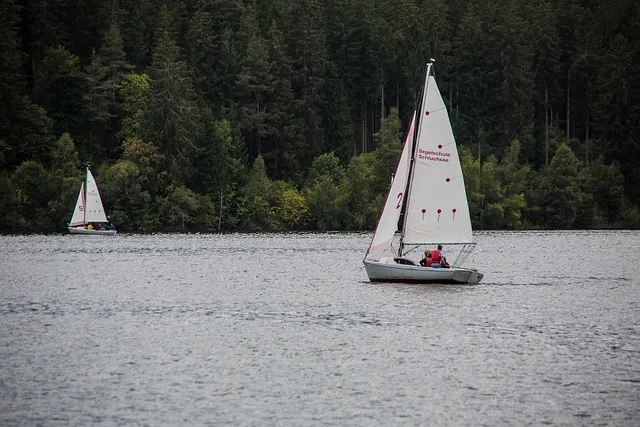
3. Features that make a small sailboat good for beginners
Whatever type you lean toward, the best small sailboat for beginners on a budget shares a few key traits:
1. Stability and forgiveness
-
A wide hull and decent beam for its length
-
Not too “tippy” or overpowered
-
Designed with learners or casual sailors in mind, not hardcore racers
You should feel like the boat gives you a moment to react, not that it punishes every mistake instantly.
2. Simple rigging
As a beginner:
-
Fewer sails are better
-
Simple control lines beat complicated racing layouts
Look for:
-
A straightforward mainsail + optional small jib
-
Reefing options (so you can reduce sail in more wind)
-
Minimal clutter in the cockpit
3. Easy to launch, recover, and right (if a dinghy)
For dinghies:
-
Check how heavy the boat is compared to you (and whoever will be helping)
-
Is there a trolley or dolly? Does it fit a standard trailer?
-
Ask or read about how easily it can be righted after a capsize
If righting the boat looks like a CrossFit workout with two bodybuilders, it might not be the ideal “first dinghy.”
4. Common and well-supported
Obscure boats can be cheap to buy—but more expensive to own.
Better for beginners:
-
Popular, well-known designs
-
Plenty of used parts, sails and fittings on the market
-
Online groups or forums where owners share tips and solutions
This keeps costs down and makes learning much easier.
4. Budget realities: buying used vs new
For most beginners on a budget, used is the way to go.
Why used is usually better for your wallet
-
Lower purchase price
-
You won’t stress over the first scratch
-
If you buy a popular model in decent condition, you can often sell it later for close to what you paid
How to avoid getting burned on a used sailboat
Whether it’s a dinghy or a small keelboat:
-
Look for obvious damage: cracks, soft spots in the hull or deck, bent rigging
-
Check for rotting wood in centreboards, rudders, or transom areas
-
Inspect sails for rips, heavy UV damage, or missing battens
-
If possible, sail it or see it on the water before buying
A slightly scruffy but sound boat is better than a shiny-looking one hiding structural problems.
5. How to match the boat type to your situation
Here’s a simple way to link your situation to a good beginner-friendly, budget-friendly boat type.
Scenario A: “I’m solo, want to learn properly, and I’m broke”
Best match: simple singlehanded dinghy
Why:
-
Lowest cost to buy and maintain
-
Fastest way to build real skills (tacking, gybing, sail trim, reading the wind)
-
No need for a big tow vehicle or storage solution
You might “outgrow” it later, but you’ll never regret having solid small-boat skills.
Scenario B: “I want to sail with my partner / kids on a lake or sheltered bay”
Best match: two-person dinghy / small daysailer
Why:
-
More stable, more comfortable
-
Everyone can be involved (steering, sail trim, lookout)
-
Great for relaxed afternoon sails with a picnic
-
Still cheaper than jumping straight to a keelboat
Look for something with:
-
Bench-style seating
-
A simple rig
-
Space for 2–4 people without feeling crowded
Scenario C: “My dream is weekend trips and maybe a little cruising”
Best match: small trailerable keelboat / pocket cruiser
Why:
-
Gives you a taste of “real cruising” in a manageable package
-
Cabin for overnight stays and bad weather hideouts
-
Feels substantial and safe for nervous crew or kids
Just be honest with your budget:
-
Purchase price will be higher
-
Storage, insurance, and maintenance will also cost more
-
You must leave money aside for rigging and engine care
If you can afford it comfortably, they’re fantastic little boats.
6. What to avoid as a beginner on a budget
There are some tempting “bargains” that often aren’t.
1. The “free” or ultra-cheap project boat
If the ad reads “needs TLC” or “just needs finishing,” and you’re new to sailing, assume:
It will cost more money, time, and energy than you think.
An older boat that’s already sailing is usually far cheaper in the long run than a “free” wreck that needs everything.
2. Pure racing dinghies and high-performance designs
As exciting as they look:
-
Narrow, overpowered dinghies
-
Trapeze boats
-
Boats with big spinnakers and complex rigs
…are not ideal first boats. They’re less forgiving, more likely to capsize, and can be discouraging if you’re still learning the basics.
3. Rare or obscure designs with no support
If you can’t find:
-
A manual
-
Owner groups
-
Replacement parts or second-hand sails
…expect higher costs and more frustration. For your first sailboat, it’s worth sticking with something common.
7. A simple “best small sailboat for beginners on a budget” checklist
When you go to see a potential boat, ask yourself:
-
Is this boat common and well-known?
-
Does it fit the water I’ll actually sail on? (lake, bay, coastal)
-
Can I store and move it easily and affordably?
-
Can I rig and launch it without needing a small army?
-
Does it feel stable enough that I want to sail it often?
-
Is it in sound condition, even if it’s a bit ugly?
If you can tick most of those boxes, you’re probably looking at a genuinely good beginner’s sailboat—even if it doesn’t have a famous name or shiny gelcoat.
Key takeaways: the “best” small sailboat for beginners on a budget
In the end, the best boat is the one that:
-
You can afford to buy and run
-
Matches the water, weather, and crew you actually have
-
Is simple and forgiving enough that you want to take it out often
-
Helps you learn and enjoy sailing, not just sit on a trailer looking pretty
For many people, that means:
-
A simple singlehanded dinghy if you’re solo and budget-conscious
-
A two-person dinghy/daysailer if you want to share the fun locally
-
A small trailerable keelboat if you’re ready to step toward cruising and can handle the costs
Pick the type that fits your life now, buy the best-condition example you can comfortably afford, and get out sailing. You can always trade up later—but those first cheap, windy, slightly chaotic days on a small boat are the ones you’ll remember most.